
Durban Poison Feminized


In stock
Couldn't load pickup availability


Worry-free growing, having troubles with germination?
> Guarantees & claims


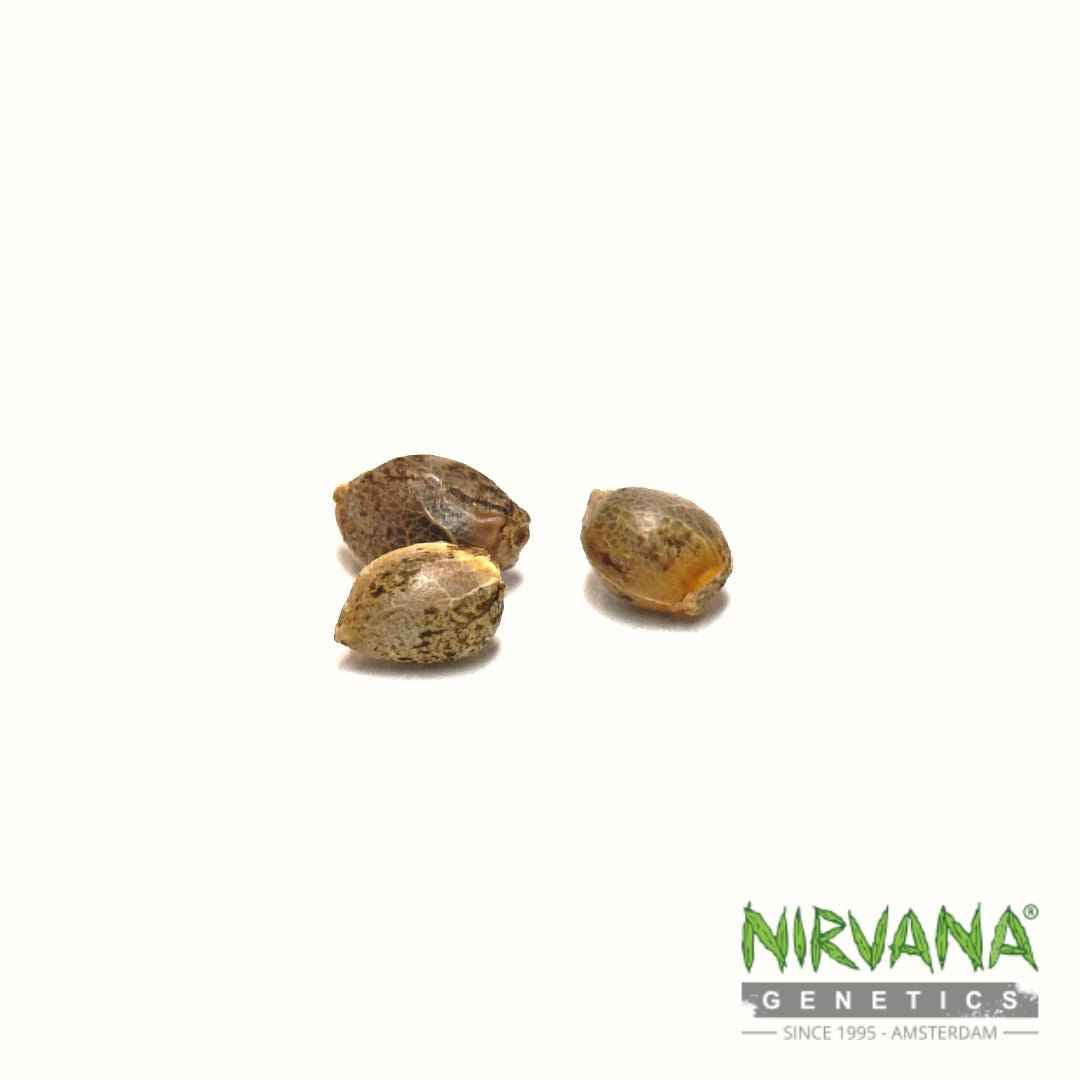

Durban Poison Feminized
Description
Durban Poison Feminized is a sativa-dominant strain built on South African Sativa landrace (IBL), carrying reported THC in the 15%–20% range. She's known for finishing faster than many sativas, flowering in about 8 to 9 weeks rather than the longer timelines typical of the type.
Break open a bud and sweetness comes through first, backed by pine and fruity notes, with a distinct anise character running underneath. Buds grow long, tight, and resin-coated, packing densely along thin, woody branches.
Indoors, she grows tall, reaching around 4.9 ft, with large fan leaves and long serrated fingers typical of sativa structure. Yield potential runs high, in the 1.5 oz/ft² range indoors. Given her easy grow rating, fast flowering time, and tall structure, Durban Poison Feminized suits beginner growers who have the vertical space to accommodate a taller sativa and want a quicker turnaround than most sativa strains offer.
This strain is a Sativa
THC
LowHigh
Medium (15% - 20%)
Customers praised this sativa-dominant feminized seed for exceptional germination rates, vigorous growth reaching 2-3 meters tall, and "crystal clear" uplifting effects. Reviewers highlighted easy cultivation, mold resistance, and massive yields with "sticky buds." Some noted late October finishing times and occasional cloning difficulties.
Over the moon am about half way through budding at the moment. Its about 3meters tall. Hopefully can upload a photo
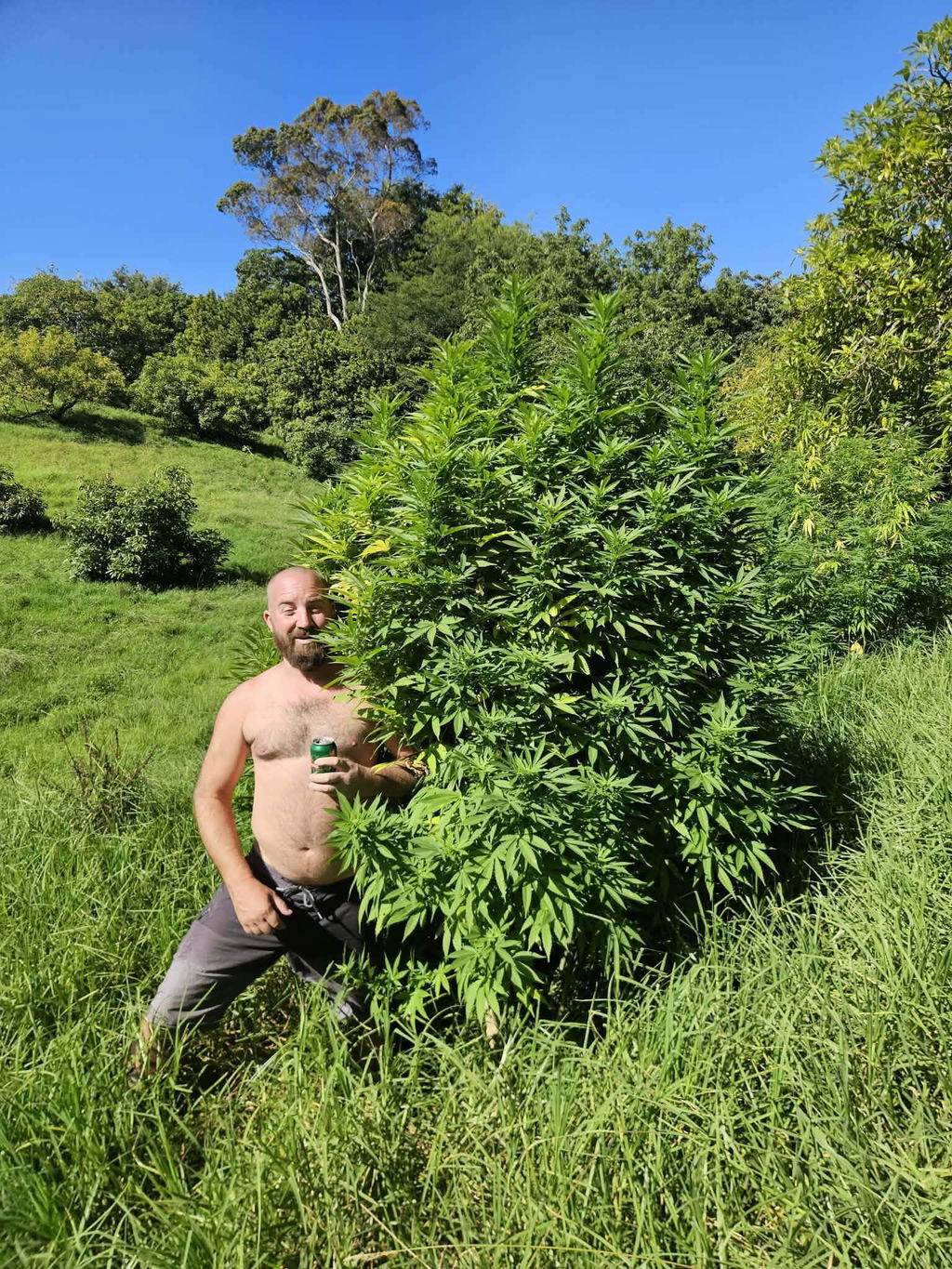
Why would you buy from anyone but NIRVANA?
They set the standard for customer service & quality stock, the good times roll w/ Nirvana guaranteed!
signed, Another Happy Customer !

Nice spicy taste, moderate buzz
I had one that yielded 4 oz,2 grams in a 2 gallon ebb and flow
Simply the best customer care in the entire industry. been doing business with them for years and will never go anywhere else.
Good looking plants!!!
People love this one. Typical plant is 1 1/2 -2 oz, but I had one freak that was over 4 oz in a 32" tall plant, wish I'd cloned it.
I have been getting my seeds from Nirvana for 20+ years now and I have always been very satisfied with the seeds and their prices. I dealt with customer service for the first time and they were absolutely wonderful. They contacted me the next day and they completely took care of a problem that they were not responsible for.
Thank you Lupus and Nirvana!!
This lady is really my alltime favourite when it comes to growing sativas, it is very compliant in whatever setup, can take a storm's beating and is more resilliant to mould in a foggy autumn than most other strains I've ever grown, outside some finish quite late in October yet safely before the first frost.
The psychoactivity is amazing, also the fact that it doesn't result in a dull blurr (at least if you do not heavily overindulge) and you come down all clean.
This is not only a strain worth growing but also collecting and preserving.
Still winter time here, very anxious to plant these beans have want them for a while now, have heard good things about this strain. Can’t wait till spring ( outside grow). Very fast and discreet shipping. Four stars only because I haven’t even planted anything yet, all about the service.
Wow is all I can say, beans popped after 3 days and took off running. Just flipped to flower. Can't wait for the final product.
Dispite the fact that they're finishing a bit later than expected (all the way into the wet, dark depths of October) this becane my favorite strain after trying it only once, so I kkep growing them every year ever since.
The High is extremely clear and soaring, no other weed ever took me this high, and what utterly distinguishes this weed from all the other high flyers is the fact that independant of the amount you smoke it actually never ever leaves you drowsy, and when the flight is over you like entirely snap out of it in a split second, being left refreshed and fit...
Other strains don't do that, if they snap you out they leave you somewhat irritated, nervous, dissatisfied, sounds familiar?
This here Lady brings forth great clarity and hightened perception, it's almost shroomlike without the pictures the mind produces, 10 out of 5 Stars :-)
Easy to grow. With big buds excellent taste. Starts out gentle but don't expect that to last too long.
After topping, LST and pruning. This baby is putting on serious weight. Hard colas and big on every branch. Only one problem it didn't clone well but oh well I'll try again.
I’m new to the world of growing marijuana but Nirvana made buying seeds so easy. I’m almost ready to harvest my new plants and couldn’t be happier
Have grown this strain a half dozen times. Fantastic results everytime.
4 of 4 sprouted and grew out using paper towel method.
Excellent old school strain but in my experience it looks absolutely nothing like the photo on Nirvana's website. I got two great keeper phenos out of one batch of 5 seeds. The first was a classic gassy sativa with giant buds. The second had more of a sweet anise and incense smell that was a little less productive but more frosty.
Packaged well. Reliable producer. Excellent mood stabilizer and mild stimulant.
100% germination on the seeds. She grew tall and lanky. Rich with Trichomes. Very good day time smoke and get stuff done. Great job Nirvana!
I love growing this one, good sativa perfect from the morning until evening, Good yield, Typical Durban taste,
Will definitely re-order this one in the future !
This variety has the best resinous buds I have ever grown, it needed the minimum amount of care and grew into nice tall plants covered it beautiful sticky buds.I am delighted with the results and the small bit I tried had it own type of intensely stimulating and delightfully uplifting effect.
Great product as always from Nirvana and I would recommend this variety to anyone looking for something a bit different but still with a large Great tasting crop.
Harvesting these soon. They look good and sticky. Quite tall, taller than my usual choices.
The most sharp and crystal clear high I’ve ever encountered, took quite some time to finish in the woods, had two weeks of wet weather before harvest and yet no mould issues, great strain!!!
This was the first seeds I bought from Nirvana many years ago,
Decided to purchase again recently, even though I have had them
for over 6 months, when I finally started them they popped right up
within 72 hours. Can't wait to see those huge buds again!
Great seeds smell strong
All the seeds popped and this plant did not disappoint
100% germination rate! About 5 weeks of flowering in my current grow. Can handle the hot and humid environment in my area. It's a very bushy plant, i'm feeling good about the yield. Can't wait to harvest and smoke this strain!
Love me some D P. Smoke this and and smoke some more you will go back again and again
D P is the top of the line will give as Christmas gifts very easy to grow
This made some of the best edibles I've ever had.
Nice high that got me through the day
Good to know
Frequently asked questions
Straight answers about this strain, shipping, and growing, so you can order with confidence.
